The dental whitening industry is crowded with gels, strips, pastes, lights, rinses and any other form of hydrogen peroxide to try and grab the consumers attention. From getting a movie star smile in 30 minutes, to taking 20 years off your smile in a week, whitening companies will seemingly say anything to sell their products to consumers.
The dental whitening industry is crowded with gels, strips, pastes, lights, rinses and any other form of hydrogen peroxide to try and grab the consumers attention. From getting a movie star smile in 30 minutes, to taking 20 years off your smile in a week, whitening companies will seemingly say anything to sell their products to consumers.
The mechanism of whitening or bleaching tooth structure is no secret. The science is sound and proven. One aspect to this proven science that is frequently and conveniently ignored - is the duration versus concentration principle; everyone wants a "quick fix" now a days so the major players have focused mainly on concentration based systems.
Here are the 2 approaches to bleaching tooth structure in depth:
CONCENTRATION FOUSED SYSTEMS: these systems use a high concentration of hydrogen peroxide solution for a short period of time to remove tooth stains. This is where companies make claims of a dramatically whiter smile in 30 minutes., sometimes even less. Claims of overnight dramatic whitening results, and even results in 1 week fall into this category as well. These whitening systems use solutions that are very concentrated with hydrogen or carbamide peroxide, often, coupled with a blue light to enhance the breakdown of the solution to aid in the whitening process. Concentration focused bleaching systems account for the majority of the systems offered for consumers today. These systems are not universally effective and often cause tooth sensitivity.
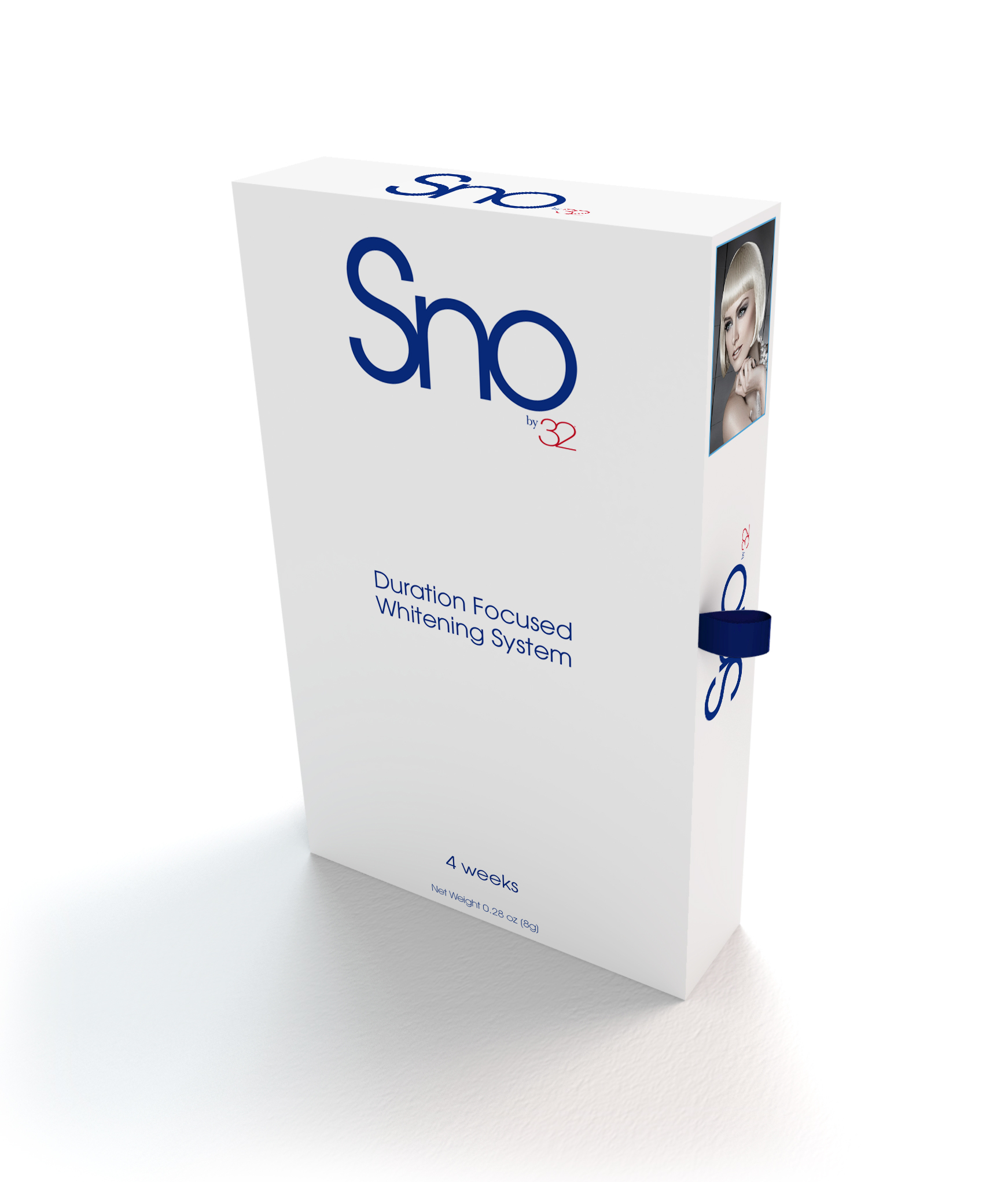
DURATION FOCUSED BLEACHING: referencing proven dental science (site article here) it has been proven that DURATION of bleaching tooth structure is more relevant (than concentration) and imperative to success. In other words, using low concentrations of bleaching solutions over a longer period of time, are dramatically more effective when it comes to bleaching tooth structure, than using high concentrations of bleaching solution over shorter periods of time.
The bleaching process happen 2 ways.
1. The H2O2 (Hydrogen Peroxide) breaks down into many different molecules. The most obvious is free Oxygen, O2. The free Oxygen enters the enamel rods (open channels) and mechanically unclogs these channels removing debris like "stubbing bubbles". This process is partially responsible for the whitening effect , but only minority.
2. The H2O2 also breaks done into Hydroxyl and Per-Hydroxyl, these 2 molecules are the MAJOR players in whitening tooth structure. These molecules chemically bond to stained organic molecules and render them invisible. The deeper these penetrate, the better
HERE IS THE PROBLEM CONCENTRATION FOCUSED SYSTEMS:
In order for the strong whitening ingredients to whiten teeth, they need to penetrate the teeth; the molecule need to get into the deeper tooth structure. In order for this to happen, the enamel rods must be unclogged. Unclogging enamel rods takes time... some times a LONG time: weeks, and maybe even months. Once these rods are unclogged, the solution get deeper and whitening the teeth better. Therefore - we need DURATION (a long time) to unclog the rods, in order to get a better result. In addition, as we age, more and more debris and stain clogs these enamel rods. This explains why it takes much longer for someone in their 60s or 70s to whiten their teeth as opposed to a teenager : simply put, the teenager needs less time to unclog their enamel rods.